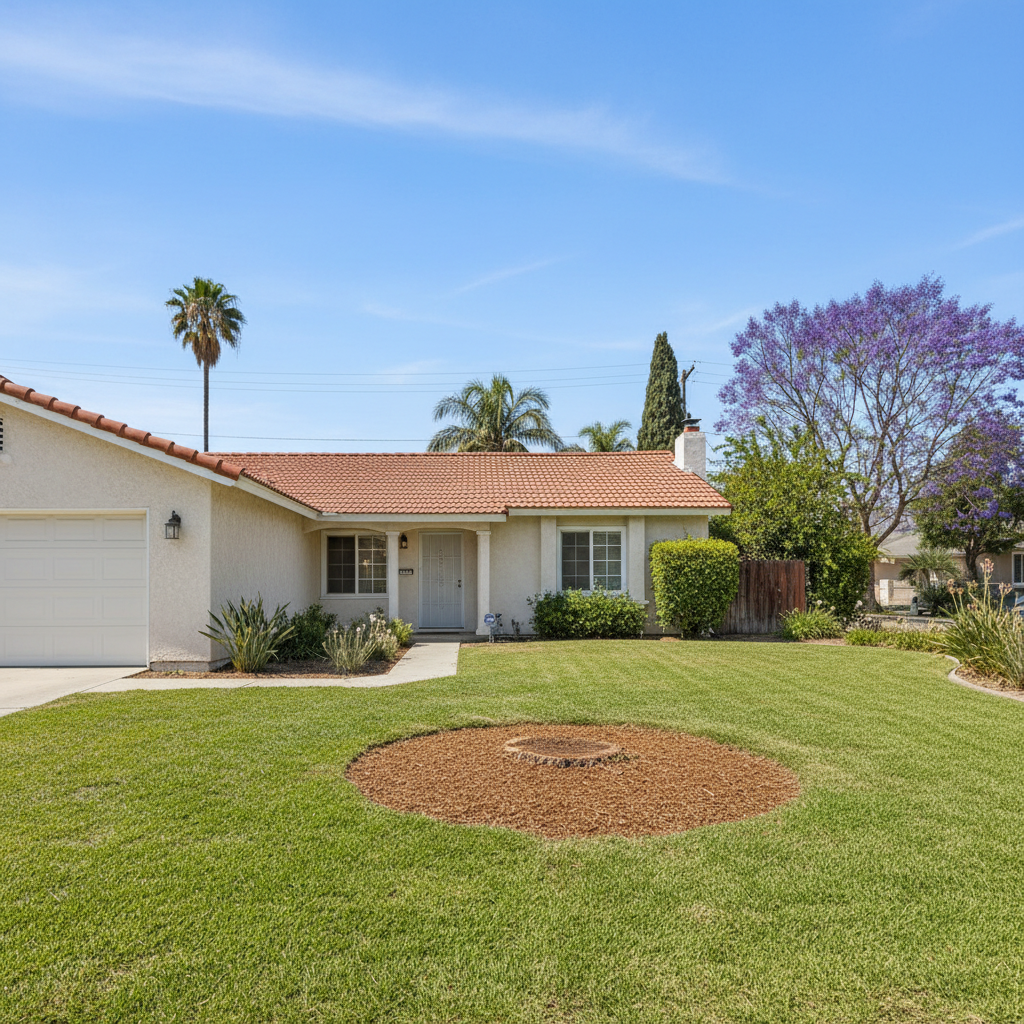
So, you've just had an emergency tree removal. Maybe it was that old sycamore that finally gave up the ghost in a windstorm, or a ficus that got too close to your foundation. Whatever the reason, that immediate crisis is over. But here's the thing: the work doesn't stop when the tree's gone. You've still got a yard to manage, and you want to make sure you're not setting yourself up for another headache down the line. I've seen plenty of folks in Inglewood think 'out of sight, out of mind' when it comes to a removed tree, and that's a mistake.
Extending the Life of the Work (Post-Removal Care)
When we talk about 'extending the life of the work' after an emergency removal, we're really talking about the health of your remaining landscape and the integrity of the removal site itself. First off, if we ground the stump, you'll have a pile of wood chips. Don't just leave 'em there. Those chips are great for composting or as mulch in other parts of your yard, but if left in a big mound, they can attract pests like termites or carpenter ants, especially with our mild, damp winters here. Spread 'em out, or better yet, haul 'em away if you don't need 'em.
Next, consider what was around that removed tree. Did it leave a big, sunny spot where there used to be shade? That's going to affect the plants nearby. Your shade-loving azaleas or ferns might suddenly be getting scorched. You might need to prune surrounding trees to balance the light, or even think about replanting with something more sun-tolerant. And if the tree was diseased, like a tree with root rot, you need to make sure that soil is properly treated or replaced before you plant anything new in that exact spot. You don't want to pass on the problem.
Regular Maintenance: Prevention is Key
Now, let's talk about the trees you still have. An emergency removal is often a wake-up call. You don't want to go through that again, right? Regular maintenance is your best defense. For starters, get your trees inspected annually. I'm not just saying that because it's what Oasis Tree does; it's genuinely the best way to catch problems early. We're looking for things like:
- Dead or dying branches: These are prime candidates for breaking off in a strong Santa Ana wind.
- Cracks or splits in the trunk: Major structural issues that can lead to whole tree failure.
- Cankers or fungal growth: Signs of disease that can weaken the tree.
- Root issues: Exposed roots, girdling roots, or signs of root rot. Sometimes you'll see mushrooms growing at the base – that's a red flag.
- Poor tree structure: Weak V-shaped crotches, or branches rubbing against each other.
Proper watering is also huge, especially for our native trees and even the non-natives that struggle in our dry periods. Overwatering can lead to root rot, but underwatering stresses a tree, making it more susceptible to pests and disease. Deep, infrequent watering is usually better than shallow, frequent sprinkles. And don't forget about proper pruning. Don't just hack away at branches. Good pruning removes dead or diseased wood, improves the tree's structure, and allows for better air circulation, which can prevent some fungal issues. Bad pruning, like topping, actually weakens the tree and encourages weak, rapid growth that's more likely to break.
Warning Signs You Can't Ignore
You're not a professional arborist, and you don't need to be. But you do need to know when something's off. Here are some clear warning signs that a tree on your property might be headed for trouble:
- Sudden leaning: If a tree that was straight starts to visibly lean, especially after a storm, that's a serious problem. It could mean root failure.
- Heaving soil around the base: If the ground around the tree's base looks like it's lifting or cracking, that's another sign of root system instability.
- Large dead branches: Not just a few twigs, but big, thick branches that are clearly dead. These are hazards.
- Cavities or hollows in the trunk: If you can see into the tree, its structural integrity is compromised.
- Significant bark loss or unusual growths: Peeling bark can be normal for some species, but sudden, extensive loss or strange fungal growths (like shelf fungi) indicate disease.
- Pest infestations: Excessive sap, sawdust, or visible insects like borers can signal a tree in distress.
- Proximity to structures: If branches are scraping your roof or power lines, it's not just a nuisance, it's a hazard waiting to happen.
Here in Inglewood, especially with some of the older neighborhoods having mature trees, we see a lot of issues related to root systems impacting foundations or sidewalks. Keep an eye on those concrete cracks near your trees; it's not just a trip hazard, it's a sign the tree might be too big for its space or its roots are aggressively seeking water.
When to Call a Professional
Look, I'm biased, sure, but there are times when DIY just won't cut it. If you see any of the warning signs I just mentioned, especially leaning, heaving soil, or large dead branches, don't try to fix it yourself. You're putting yourself and your property at risk. That's when you call in the pros, like us at Oasis Tree.
You should also call a professional for any tree work that involves climbing, using a chainsaw above your head, or working near power lines. Seriously, those are not jobs for a weekend warrior. We have the right equipment, the training, and the insurance to do it safely. We can assess the tree's health, recommend proper pruning techniques, or safely remove a hazardous tree. Don't wait until it's an emergency again. A little proactive care goes a long way in keeping your yard safe and beautiful.