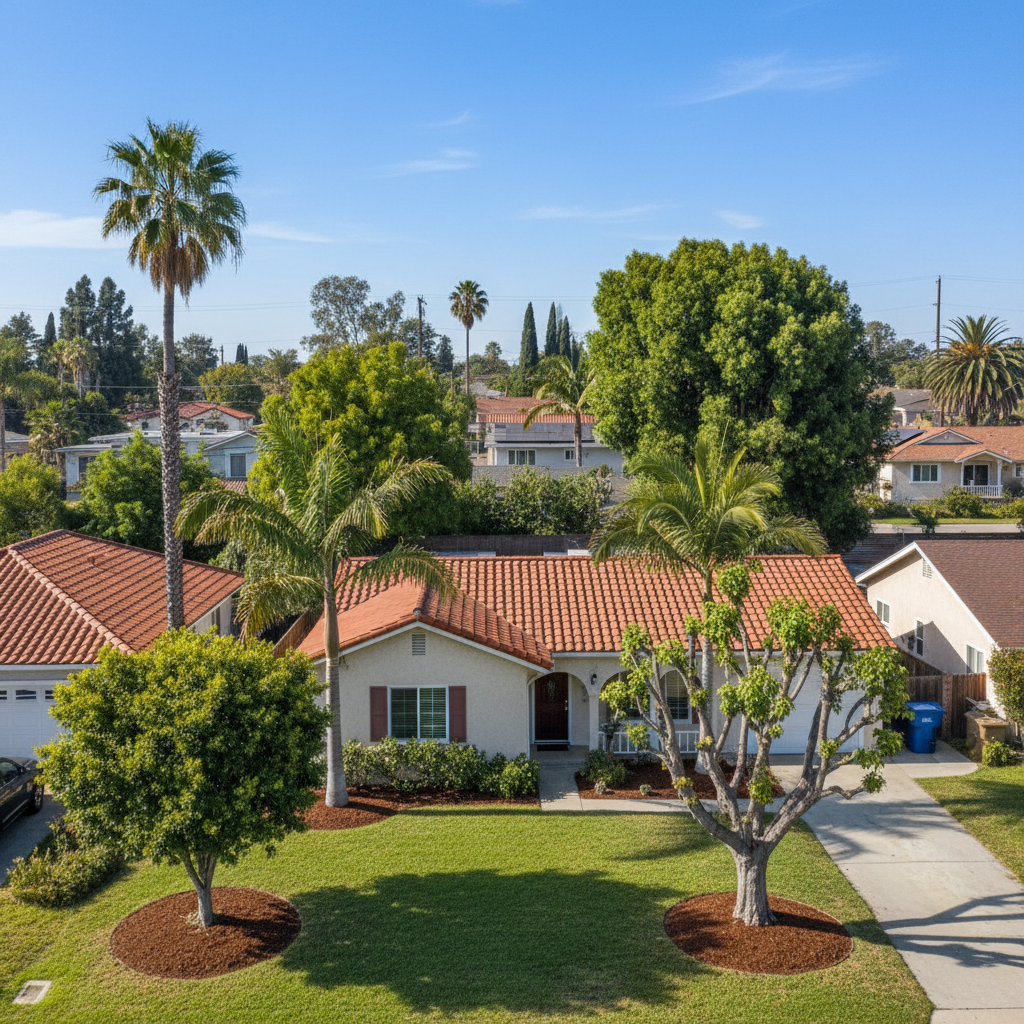
Ever notice those cracked sidewalks or bumpy driveways around Inglewood? A lot of times, the culprit is right under our feet: tree roots. It's a common issue, especially in older neighborhoods like Morningside Park where you've got mature trees with extensive root systems, or even in newer developments where trees might have been planted a little too close to foundations.
You love your trees, I get it. They provide shade, boost curb appeal, and clean the air. But those roots, while essential for the tree's health, can become a real problem if not managed properly. I've seen roots lift entire sections of concrete, crack foundations, and even mess with underground pipes. It's not just an eyesore; it can be a costly repair down the line.
Understanding Tree Roots and Your Property
People often think tree roots grow deep, but most of a tree's root system, especially the feeder roots that absorb water and nutrients, are actually in the top 12-18 inches of soil. They spread out, often two to three times the width of the tree's canopy. That's a huge area! And they're constantly seeking moisture and nutrients. If your foundation or a pipe has a tiny leak, those roots will find it and exploit it.
Here in Inglewood, with our clay-heavy soils in some areas, roots can struggle to penetrate deep, so they tend to spread out even more laterally. This means they're more likely to run into your hardscaping or home's foundation. Plus, during our dry spells, roots will aggressively seek out any available water, which can draw them towards irrigation lines or even sewer systems.
Signs You Might Have a Root Problem
It's better to catch these things early. Keep an eye out for:
- Cracked sidewalks, driveways, or patios: This is probably the most obvious sign. If you see new cracks or existing ones getting worse near a tree, roots are likely pushing up from underneath.
- Bumps or unevenness in hardscaping: Similar to cracks, if the ground is lifting, roots are working their magic.
- Cracks in your home's foundation: This is more serious. Look for hairline cracks expanding, especially near large trees.
- Slow drains or recurring clogs: If you've got older pipes, roots can infiltrate tiny cracks and grow into a dense mass, blocking water flow.
- Tree leaning or instability: While not directly a root damage issue, if a tree looks unstable, its root system might not be properly anchored, which could lead to future problems.
What Can You Do About It?
So, you've got a tree you love, but its roots are getting a little too friendly with your property. What are your options? You've got a few, and the best approach depends on the tree, its age, and the severity of the issue.
- Root Barriers: These are physical barriers, often made of a durable plastic or fabric, installed vertically in the ground between the tree and what you're trying to protect (like your foundation or a sidewalk). They redirect root growth downwards and away from the structure. They need to be installed correctly to be effective and not harm the tree.
- Root Pruning: Sometimes, carefully pruning specific roots can alleviate the pressure. This is NOT a DIY job. Cutting the wrong roots, or cutting too many, can severely stress or even kill the tree, and make it unstable. You need a pro who understands tree biology and how to balance structural integrity with root removal.
- Rerouting Utilities: If roots are constantly invading pipes, it might be time to consider replacing older, permeable pipes with root-resistant materials like PVC, or rerouting them away from large trees.
- Tree Removal and Replacement: In some cases, especially with very large, aggressive species planted too close to a structure, removal might be the only long-term solution. Then you can choose a more appropriate tree species with a less aggressive root system for that specific location.
- Proper Tree Selection and Placement: This is key for new plantings. Do your homework! Choose species known for less invasive root systems, and always plant them an appropriate distance from your home, sidewalks, and underground utilities.
At Oasis Tree, we've dealt with all sorts of root-related headaches across Inglewood, from the classic sidewalk upheavals in the older residential areas to newer homes where builders didn't quite get the tree placement right. We understand the local soil conditions and what tree species thrive (and sometimes cause trouble) here.
Don't wait until the damage is extensive and expensive. If you're seeing signs of root intrusion, or if you're planning new landscaping and want to make sure you're doing it right, give us a call. We can assess the situation, explain your options, and help you find a solution that protects your property and keeps your trees healthy and happy.